


Dalian Yuanhe Paper & Plastic Co., Ltd. : Your Professional Cellophane Manufacturer!
Dalian Yuanhe Paper & Plastic Co., Ltd. was established in 2006. It is a comprehensive enterprise integrating product design and development, production, processing, manufacturing and sales. We specialize in producing a wide range of plastic packaging bags, including OPP bags, CPP bags, and PE bags.
Rich Products
Dalian Yuanhe Paper & Plastic Co., Ltd. is a leading company specializing in producing a wide range of plastic packaging bags, including OPP self-adhesive bags, OPP flat bags, OPP buckle handbags, cellophane rolls, transparent book covers, anti-fog bags, Various flexible packaging products such as dry cleaner packaging bags, card head bags, CPP bags, PE bags, detachable bags, composite bags, food bags, etc.
Quality Control
Our factory environment, management system and product quality all meet the Japanese factory system qualification standards, thus we have more than 400 specifications of goods shipped to the Japanese market, ensuring the supply and demand of existing customers.
One-Stop Service
There is no intermediate link when ordering products from our company. We provide one-stop service from design, processing, sample trial production to mass production.
Leading Service
We have many years of industry experience, a complete production management, quality supervision, and sales service operation system. Whether you're looking for packaging for your food products, cosmetics, or other merchandise, we have the expertise and resources to help you find the perfect solution.

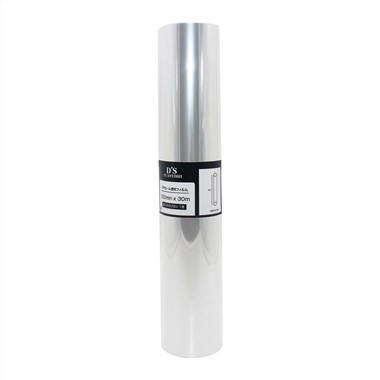

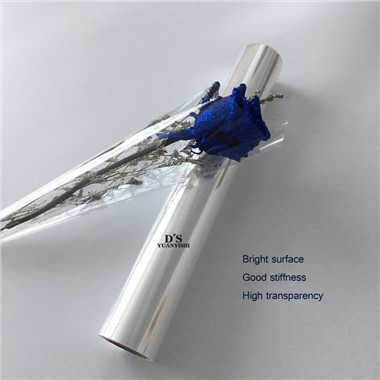


Introduction of Cellophane
Cellophane is a thin, transparent sheet made of regenerated cellulose. Its low permeability to air, oils, greases, bacteria, and liquid water makes it useful for food packaging. Cellophane is highly permeable to water vapor, but may be coated with nitrocellulose lacquer to prevent this. Cellophane is compostable and biodegradable, and can be obtained from biomaterials. A cellophane is also used in transparent pressure-sensitive tape, tubing, and many other similar applications.
Cellophane, also known as cellulose film, is a type of transparent, cellophane is made from cellulose, which is a natural polymer found in the cell walls of plants. Cellulose is processed and chemically treated to create a thin, flexible, and transparent film. Cellophane is a versatile material that has a wide range of uses, including packaging, art, and industrial applications.
Packaging
One of the most common uses of cellophane is in packaging. Cellophane is often used to wrap food, such as candy and baked goods, as well as non-food items like soap, candles, and even CDs and DVDs. The material’s transparency allows for the product to be easily seen and its properties as a moisture and gas barrier, keeps the content fresh. Cellophane is also used as a overwrap for products like cigarettes, as well as for bags and sheets for packaging.
Art
Cellophane is also used in the art world as a medium for painting, drawing, and printmaking. Its transparency allows for layering and creates a unique visual effect. Cellophane can also be used for creating collages, decoupage and other crafts.
Industry
Cellophane is also used in industrial applications, such as in the production of cellophane tape and cellophane bags. Cellophane tape, also known as Scotch tape, is a type of adhesive tape made from cellophane. Cellophane bags are often used to package products like seeds and small parts.

Transparent
One of the biggest advantages of cellophane packaging is its transparency. This allows consumers to see the product inside and make informed decisions about their purchase. This is particularly important for food and beverage packaging, where product appearance can make a huge difference in consumer perception and purchasing decisions.
Biodegradable
Cellophane is made from cellulose, a renewable resource that is derived from plants. Manufacturing and disposing of cellophane has a lower environmental impact compared to non-biodegradable packaging materials, such as plastics.
Food Safety
Cellophane is a safe material for food packaging that meets strict food safety requirements. It helps protect food from contamination and helps to extend the shelf life of food products.
Durability
Cellophane is strong and durable, able to withstand wear and tear without breaking apart. This is particularly important for food packaging, as it can help protect the contents and retain flavor and freshness.
It is necessary to know that printing on different types of cellophane is different based on the available devices, which we will introduce in the following:
Flex Printing
This type of printing is one of the most common and direct printing done on various types of cellophane, which is even more used than letterpress printing. This print is used more because of its advantages. One of the advantages of this printing is that it is able to print on a wide range of cellophane types, as well as paper, foil and plastics due to its flexibility.
Cylindrical Printing
This type of printing is printing with a cut system. The quality of this print is higher than flex printing, and the price is also higher. This type of printing is usually used when you want to roll the product. This type of printing, in addition to its high quality, has flexibility, and thus it is a very suitable option for printing on all types of cellophane.
You may use several designs when packing products in cellophane bags to improve the aesthetic and appeal of your goodies. Here are a few trendy looks to take into account:
Simple Fold-Over Style
Smaller batches or individual products are perfect for this design. In the middle of a rectangular cellophane bag, put the products. Over the products, gently fold the extra cellophane, being sure to make a clean and secure fold. The box can then be sealed with a heat sealer, a ribbon, a twist tie, or thread wrapped around the extra cellophane. This design is simple and elegant and provides clear visibility of the products through the transparent bag.
Gathered-End Style
The gathered-end design gives the box a beautiful feel and allows for a more decorative approach. In the middle of a rectangular cellophane bag, put the products. Above the cookies, carefully make a little cluster at one end by gathering the extra cellophane. With a ribbon or twist not, securely fasten the cellophane that has been collected. This design provides the box with a fun and eye-catching appearance.
Tied with a Bow
Your cellophane bag's appearance is immediately improved by adding a bow. Put the products in the bag and then pile the extra cellophane on top of them. Use a ribbon or string to tie a lovely bow around the cellophane that has been gathered. The bow gives the box a beautiful touch and a unique sense, making it appropriate for gift-giving or special events.
Customized Sticker or Label
Using a personalized label or sticker, you can improve the branding and customization of your cellophane bags. Labels may be made with your logo, the product's name, or any other information you choose. Put the label or sticker on the cellophane bag's front to convey pertinent information and give it a polished, branded appearance.
Decorative Embellishments
Add ornamental decorations to your cellophane bags to further improve their aesthetic appeal. You can affix charms, tags, or ornaments with a particular theme to the bag's tie or clasp. These decorations offer a special touch and may be tailored to the event or the type of products you are making.

Use Shrink Wrap When
● You Need Long-Term Preservation
Shrink wrap is your best bet when you want to keep food or things for a long time. It makes an airtight seal that helps preserve items for extended periods.
● Tamper-evident Packaging is Essential
Shrink wrap's tamper-evident qualities make it a great option to guarantee that your gift stays sealed until it reaches its destination. It is the best option for shipping or retail since it offers protection and peace of mind.
● You Need Strong Protection
Strong protection is provided by shrink wrap. It's ideal for securing items during shipping, especially fragile or priceless goods requiring reliable protection.
● Professional display is Key
Shrink wrapping offers a refined and expert appearance. This is the best action if you want your presents or items to have a professional, commercial-grade appearance.
Use Cellophane Bags When
● Short-Term Presentation or Storage Is Enough
Cellophane bags are the best temporary storage and presentation option. Cellophane bags are a sensible option if you intend to eat or present things within a few days to a few weeks.
● You Wish to Display the Contents
The contents are visible since these bags are transparent. Cellophane bags will tastefully exhibit your artistically adorned cookies or bright array of candy.
● Convenience Matters
Cellophane bags are simple and don't need extra tools. They are a simple and efficient way to seal and display objects.
● You're on a Budget
Cellophane bags are usually less expensive if cost is a concern. They are a cost-effective option for small-scale packaging requirements because they don't require the purchase of equipment upfront.
How to finish products with Rolls of Cellophane
Measure Enough Cellophane to Completely Wrap Around the Container.
Measure enough cellophane to completely wrap around the container. Clear a large work area and pull out a long length of cellophane from the roll. Place the container in the middle, and pull the cellophane up on either side. Adjust how much cellophane there is until the whole container is covered, and then add an additional 6–12 inches. Ideally, work on a hard, clean surface rather than on carpet. The cellophane will attract little fibers and bits of dust. Remember, it's better to have too much cellophane.
Tip: If the container you're covering is really large, follow the instructions above, but then cut a second piece of cellophane the same size as the first one. Crisscross the sheets underneath the container so that each side will be equally covered.
Cut the Cellophane and Lay It Out Flat on Your Work Surface.
Cut the cellophane and lay it out flat on your work surface. Use a pair of sharp craft scissors. As you cut, try to make it as smooth as possible so there aren't any jagged edges. Once you make the initial cut, you should hopefully be able to just glide your scissors down the length of the cellophane. This prevents weird edges from forming.
Place the Prepared Container in the Center of the Piece of Cellophane.
Place the prepared container in the center of the piece of cellophane. Position the front of the basket or container so that it's parallel to one of the straight edges of the cellophane. This way, when you wrap the container the “seams” of cellophane will be on the sides rather than in the front. It's best to work with a container that has already been prepared. That way, you can make sure to position it exactly how you want it, and you'll be able to better see where you should tie the ribbon at the end.
Bring the Sides of Cellophane Together Overtop of the Container.
Bring the sides of cellophane together overtop of the container. It's okay if the sides don't quite reach all the way—you'll stick those in place later. Right now, just focus on creating a poof of cellophane at the top. One of the great things about cellophane is that it's supposed to look a little messy. It doesn't matter if the pieces aren't perfectly smooth.
Secure The Poof of Cellophane with a Decorative Ribbon or Bow.
Secure the poof of cellophane with a decorative ribbon or bow. This can take a little finagling, especially if you're working with a particularly large basket or container. Hold the container in one hand, and wrap the surrounding ribbon with your other hand. Tie a bow with the ribbon. Try your best to position the ribbon overtop of the highest point in the basket or container. This should hopefully make things look very balanced.
Tip: If you aren't ready to commit to a ribbon just yet, use a twist tie to hold the cellophane together. Once you've done that, you'll have both hands free to tie a ribbon or create a fancy bow.
Trim Long Edges and Tape Down Loose Sections of Cellophane.
Trim long edges and tape down loose sections of cellophane. Take a look at the length of cellophane and cut away any super long pieces that extend out past the rest of the material. Then, use clear tape to secure pieces of cellophane that weren't quite long enough to reach the top. Try to focus on making sure there are no “blank” spaces or little gaps where you can see between pieces of cellophane into the basket.
Factors to Consider When Choosing Cellophane
Product Type and Characteristics
Products come in a variety of colors, textures, and sizes. The product should be protected without losing its integrity, and the packaging should match the product.
Freshness & Shelf Life
What period do you want your products to remain fresh? Packaging that prioritizes presentation may take the lead if your products are supposed to be rapidly used. However, if you sell to customers who want to preserve your products for a long time, packaging that maintains freshness becomes crucial.
Branding and Presentation
The first impression of your product is its packaging. It is what draws attention. Think about how you want people to view your brand. The packaging for your products should complement your branding strategy and make them visually tempting.
Environment-Related Issues
Environmental issues cannot be ignored in a world that is getting more eco-aware. Consider the lifespan of the packing material you've chosen. Will it be disposed of in landfills, or may it be composted or recycled? Customers are drawn to businesses dedicated to sustainability; packaging is crucial in communicating this dedication.
Regulations and Safety Requirements
Food safety is an absolute necessity. If you use it to pack food. Your products should be packaged to preserve their taste, texture, and safety for ingestion. Be knowledgeable about the legal requirements for food packing. Compliance is essential regarding standards for labeling or materials that are safe for any food contact.
How to Tell Cellophane From Plastic
Look at the Color
Cellophane will come in different colors, but it must be transparent, so there will be no fading issues. From the appearance, the cellophane is uniform, soft and it has no color difference.
Smell
Cellophane is a non-toxic, odorless packaging film. Because air, oil, bacteria and water are not easily permeable to cellophane, it can be used for food packaging.
Ask
Cellophane has strong resistance to oil, alkaline and organic solvents. And it has high transparency and strong gloss. The colors printed on cellophane are particularly bright and cannot be achieved by other plastic films. When purchasing, you can ask the salesperson whether the material has these functions.
Test
Cellophane is hydrophilic which can absorb moisture, and it will stick when exposed to water. Cellophane films tend to stick together when exposed to heat. This method can be used to test whether the packaging film is cellophane.
When it comes to gift wrapping, it’s essential to find the material that enhances the presentation. Among the options, cellophane wrap has gained popularity due to its versatility and ability to give gifts a polished and professional appearance. Before delving into the techniques of using cellophane wrap, it’s important to select the type. Cellophane wrap comes in thicknesses, colors, and patterns. Transparent or clear cellophane wrap is typically the used choice as it allows recipients to catch a glimpse of what’s inside without having to unwrap the gift fully. The basic technique for using clear cellophane wrap involves wrapping your gift in a similar manner as you would with regular wrapping paper.To begin, measure and cut the size of the cellophane wrap, ensuring it completely covers the gift. Carefully place the gift in the middle of the cellophane wrap. Bring corners together to create a neat seam. You can secure the cellophane wrap by using tape or tying it with a ribbon.
Adding a Ribbon
To elevate your gift-wrapping game, think about adding a ribbon to your cellophane-wrapped present. Ribbons come in sizes, shapes, and materials allowing you to personalize the appearance according to the occasion. To attach a ribbon, simply tie it around the cellophane wrap. Use a piece of double-sided tape to keep it in place. This small addition can make an impact on how your gift is presented.
Creating an Elegant Bouquet with Cellophane Wrap
Cellophane wrap is frequently used for wrapping flower bouquets as it adds a touch and safeguards the flowers during transportation. To create a bouquet with cellophane wrap, begin by arranging the flowers in an appealing manner. Then cut a piece of cellophane wrap to cover the entire bouquet. Gently. Secure the cellophane wrap around the stems using wire or a rubber band. To add a finishing touch to the bouquet, you can tie a ribbon or twine around the cellophane wrap. This will give it an elegant appearance.
Using Cellophane Wrap, for Gift Baskets
Gift baskets are a choice for occasions, and cellophane wrap can be an excellent way to enhance their presentation. To utilize wrap for gift baskets start by arranging the items securely within the basket. Next, cut a piece of cellophane wrap that’s large enough to cover the basket. Carefully gather the wrap at the top and fasten it with either a ribbon or bow. This does not safeguard the contents of the gift basket. Also creates a visually appealing display.
Sealing Edges for a Neater Appearance
For a professional look, consider sealing the edges of your cellophane-wrapped gifts. This helps prevent unraveling. Adds to its polished appearance. There are ways to seal these edges such as using tape, decorative stickers, or even heat sealers. Experiment with methods to find what works best for you depending on your type of cellophane wrap.
Our Factory
Our factor mainly produces various plastic packaging bags, OPP self-adhesive bags, OPP cello bags and various flexible packaging products such as dry cleaner packaging bags, etc. After more than ten years of development, it has become a leader in the plastic flexible packaging industry and a leader in the fusing industry.


Ultimate FAQ Guide to Cellophane
As one of the most professional cellophane manufacturers and suppliers in China, we're featured by quality products and low price. Please rest assured to wholesale cheap cellophane made in China here from our factory. For customized service, contact us now.
Cellophane, OPP Flower Packaging Roll